
Cebu City with Mountain Tour
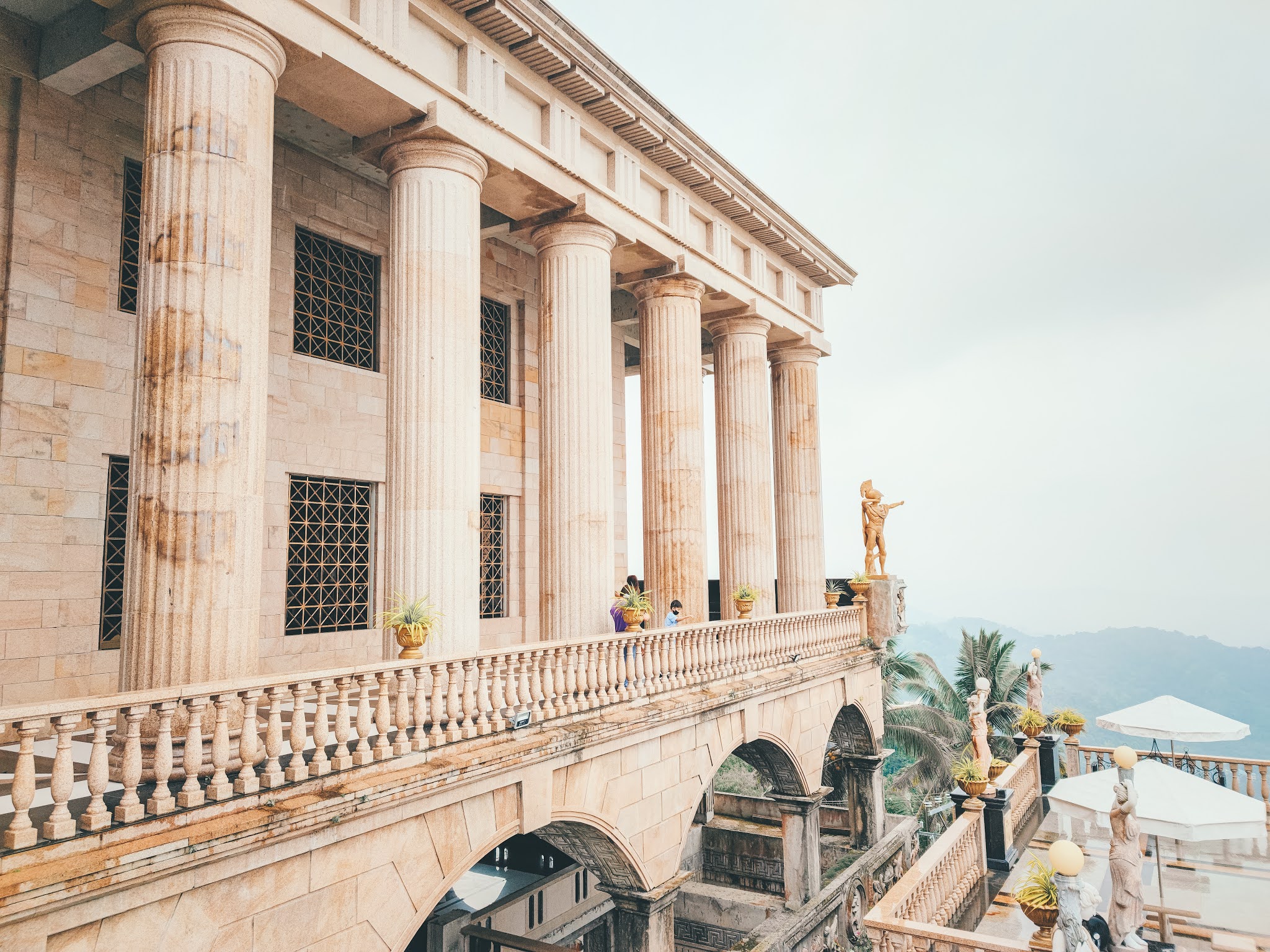

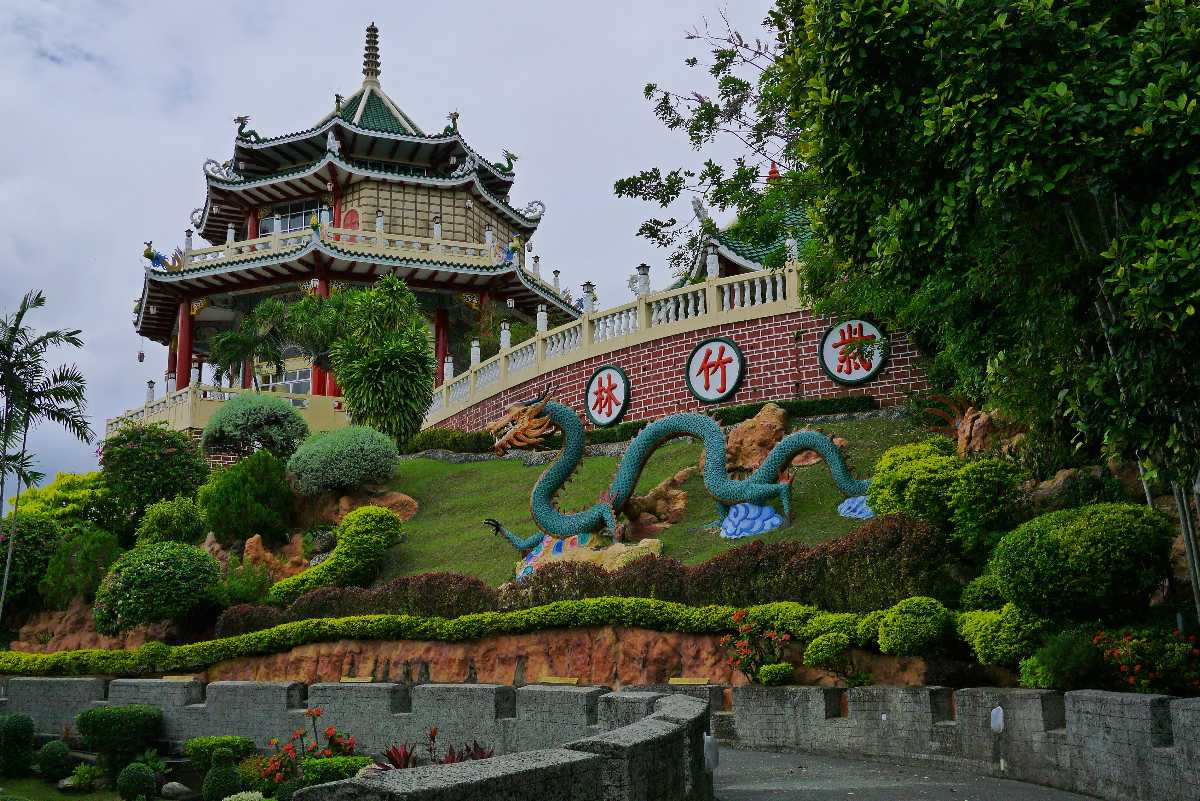
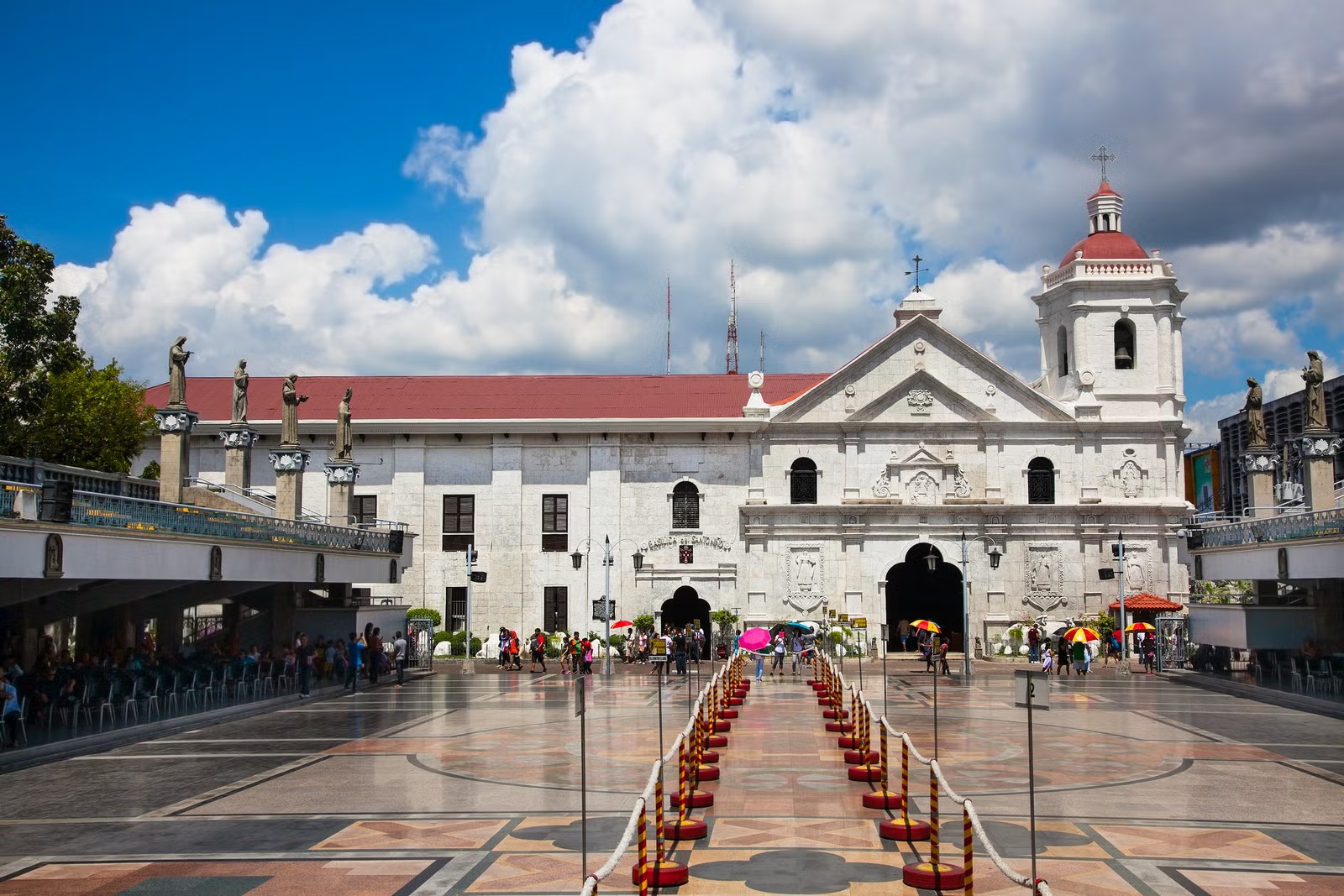
Discover the best of Cebu with our Downtown Cebu City Tour, a full-day experience that takes you from the scenic mountain attractions to the historic landmarks in the heart of the city. Begin your adventure in the highlands with a visit to the Sirao Flower Farm, known for its vibrant blooms and Instagram-worthy views. Explore the grand Temple of Leah, often called the “Taj Mahal of Cebu,” and enjoy the peaceful ambiance at the Taoist Temple, offering panoramic views of Cebu City. These spots showcase the natural beauty and cultural diversity of the island.
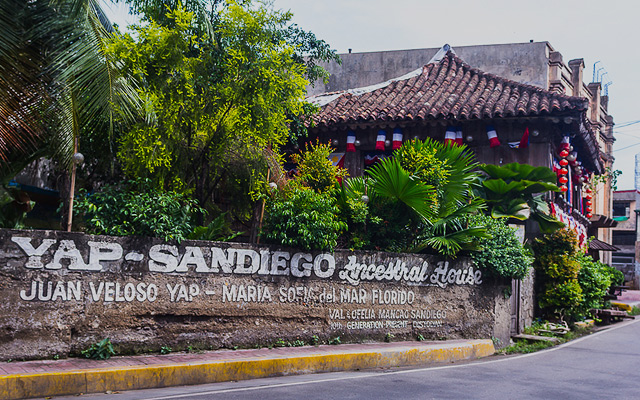
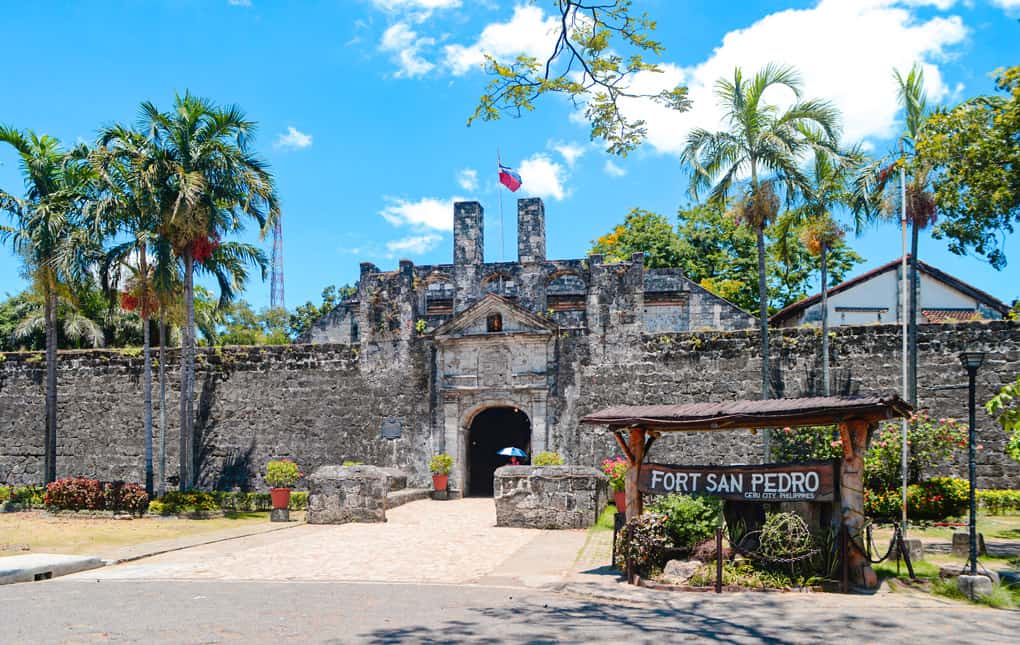
After the highlands, the tour continues through Cebu’s rich historical core. Walk through centuries of history at The Heritage of Cebu Monument, explore the well-preserved Yap San Diego Ancestral House, and visit the iconic Magellan’s Cross. Step into the revered Basilica del Santo Niño, the oldest Roman Catholic church in the Philippines, and finish your journey at Fort San Pedro, the oldest Spanish fort in the country. This Cebu City tour is perfect for travelers who want to experience the top tourist spots in Cebu in one unforgettable day—combining heritage, culture, and panoramic views into a memorable adventure.
INCLUSIONS
EXCLUSIONS
RATES
| No Pax | Rate Per Person |
| 1 | ₱11,100 |
| 2 | ₱5800 |
| 3 | ₱4000 |
| 4 – 5 | ₱3200 |
| 6 – 7 | ₱2200 |
| 8 – 9 | ₱1800 |
| 10 -13 | ₱1500 |
| 13 above | Contact Us |
ITINERARY
8:00 am
Pickup to Hotel
8:00 am- 12:00 pm
Uphill Tour
– Sirao Garden
– Temple of Leah
– Taoist Temple
12:00 pm – 1:00 pm
Lunch
1:00 pm – 4:00 pm
Downtown City Tour
– The Heritage of Cebu Monument
– Yap San Diego Ancestral House
– Magellan’s Cross
– Basilica Del Sto. Nino
– Fort San Pedro
5:00 pm
Estimated Time to Hotel Dropoff
Note: This is just an estimated time. Might change on the tour date depending on the traffic situation and location of your hotel.
DESTINATIONS
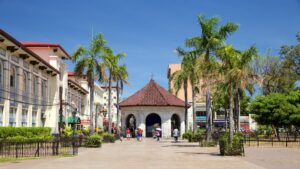
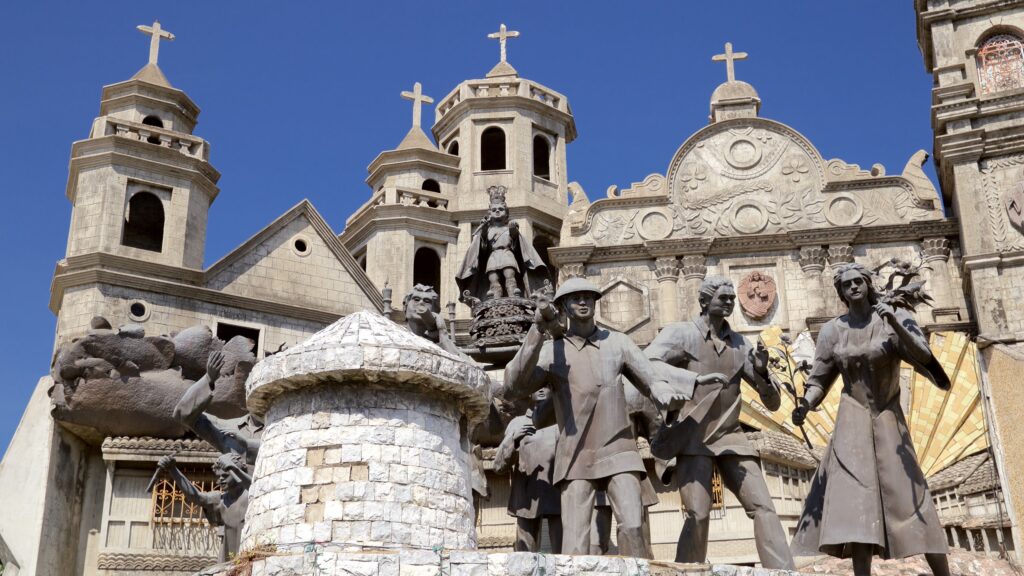
Heritage Monument
A heritage monument is a structure or site of historical, cultural, or architectural significance, often preserved for its value to a nation or community. These monuments tell stories of the past, showcasing the art, beliefs, and achievements of earlier civilizations. Preserving them helps future generations understand and appreciate their history and identity.
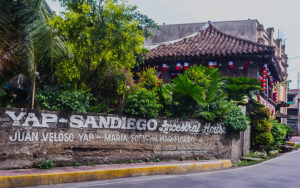
Yap-San Diego Ancestral House
The Yap-San Diego Ancestral House, located in Cebu City’s historic Parian district, is one of the oldest residential structures in the Philippines, built between 1675 and 1700. Constructed from coral stones and wood, it showcases a unique blend of Spanish and Chinese architectural influences, reflecting the cultural fusion during the Spanish colonial era. Now a museum, it offers visitors a glimpse into 17th-century Filipino-Chinese heritage through its preserved interiors and antique collections.
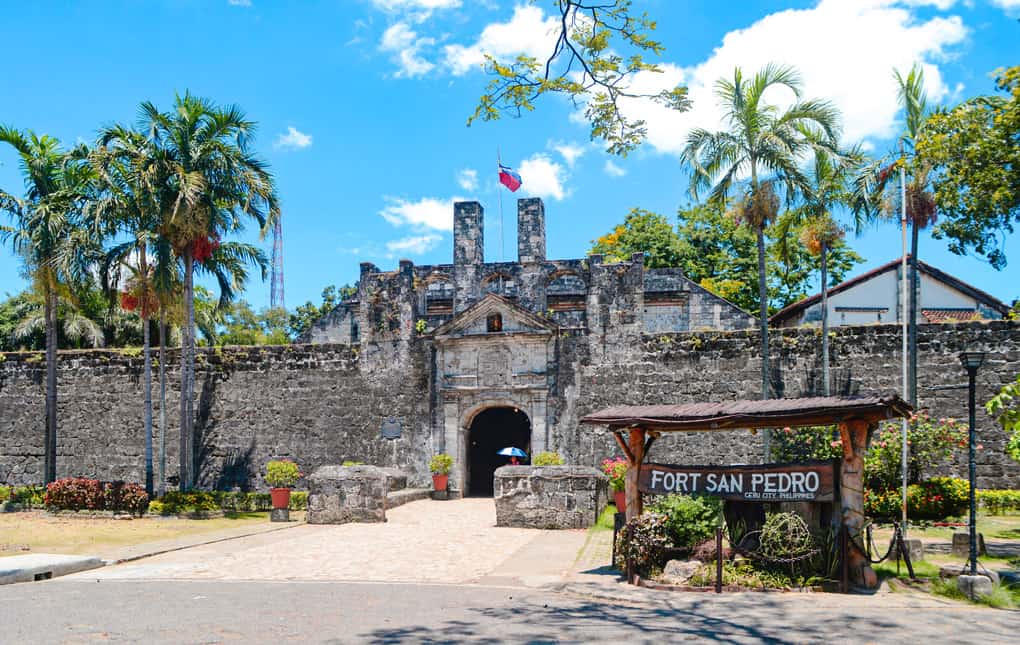
Fort San Pedro
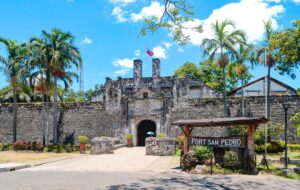
Fort San Pedro, located in Cebu City, is the oldest triangular bastion fort in the Philippines, originally built by the Spanish in 1565 under Miguel López de Legazpi. It served as a military defense structure during the Spanish era and has since played various roles, including a prison and a school. Today, it stands as a historical park and museum, showcasing artifacts from Cebu’s colonial past.
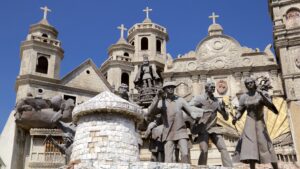
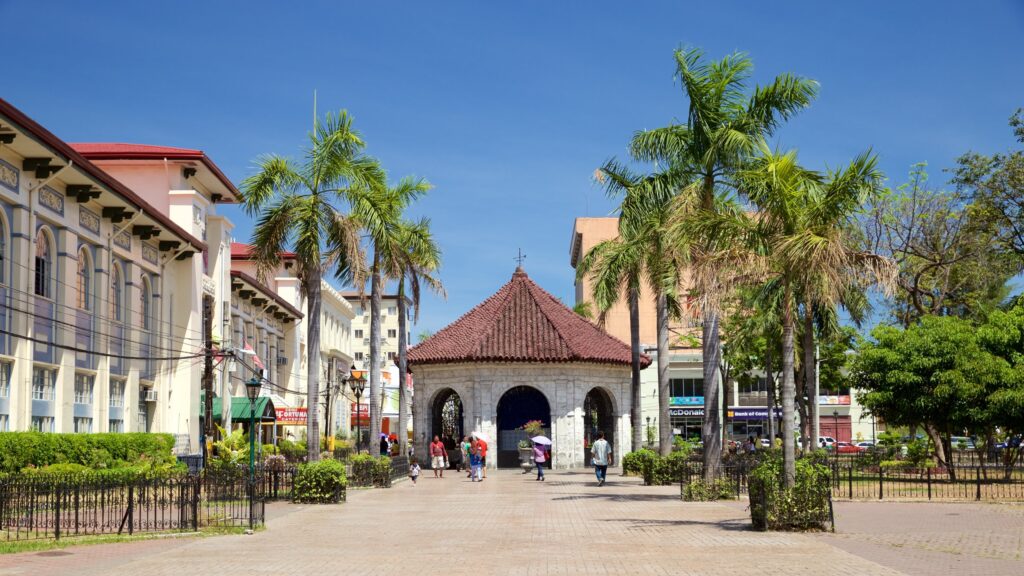
Magellans Cross
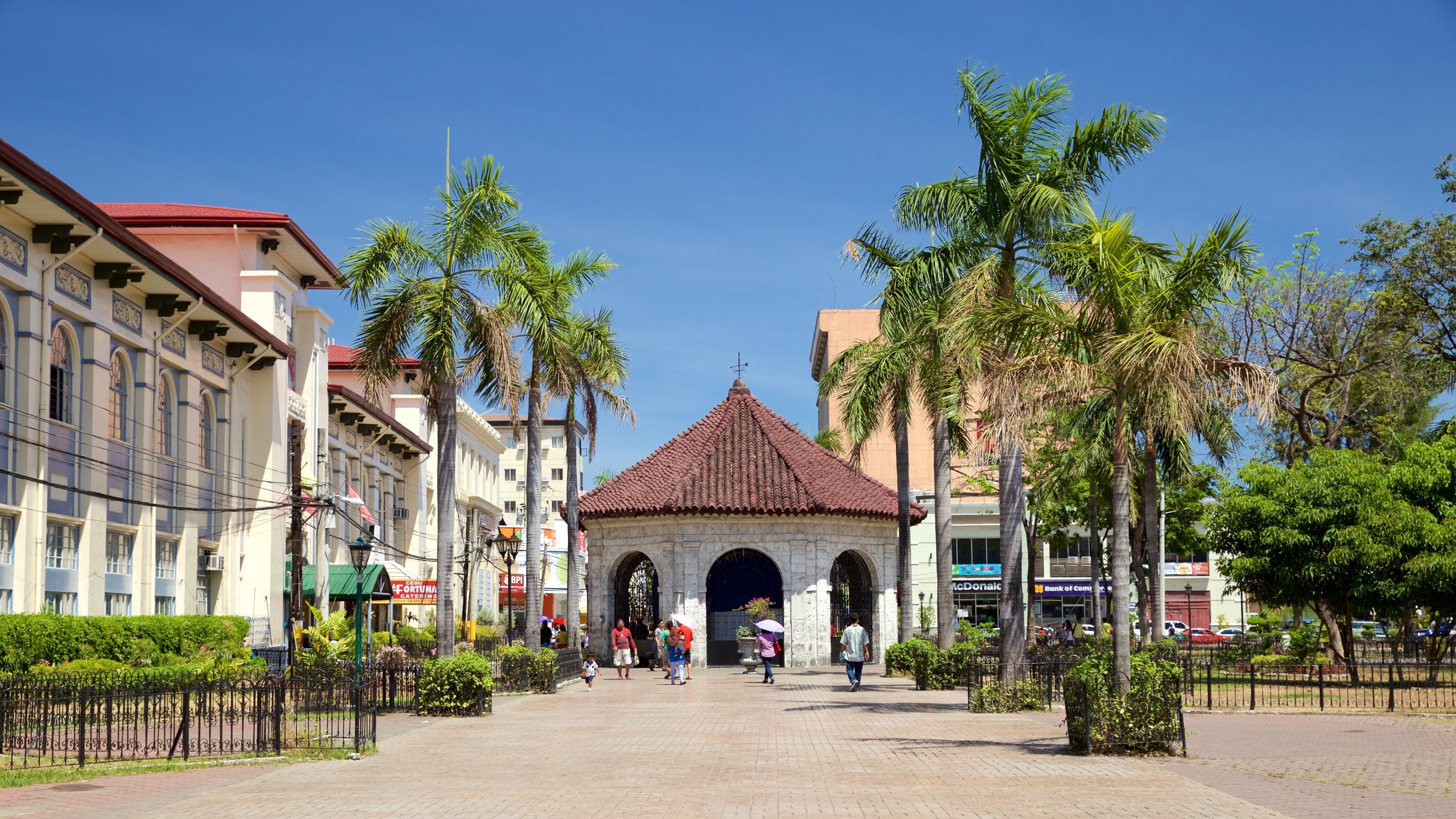
Magellan’s Cross is a historic Christian cross planted in Cebu City by Portuguese and Spanish explorers led by Ferdinand Magellan in 1521. It marks the arrival of Christianity in the Philippines and commemorates the baptism of Rajah Humabon and his followers. Housed in a small chapel near the Basilica del Santo Niño, the cross remains a revered symbol of Filipino Catholic heritage.
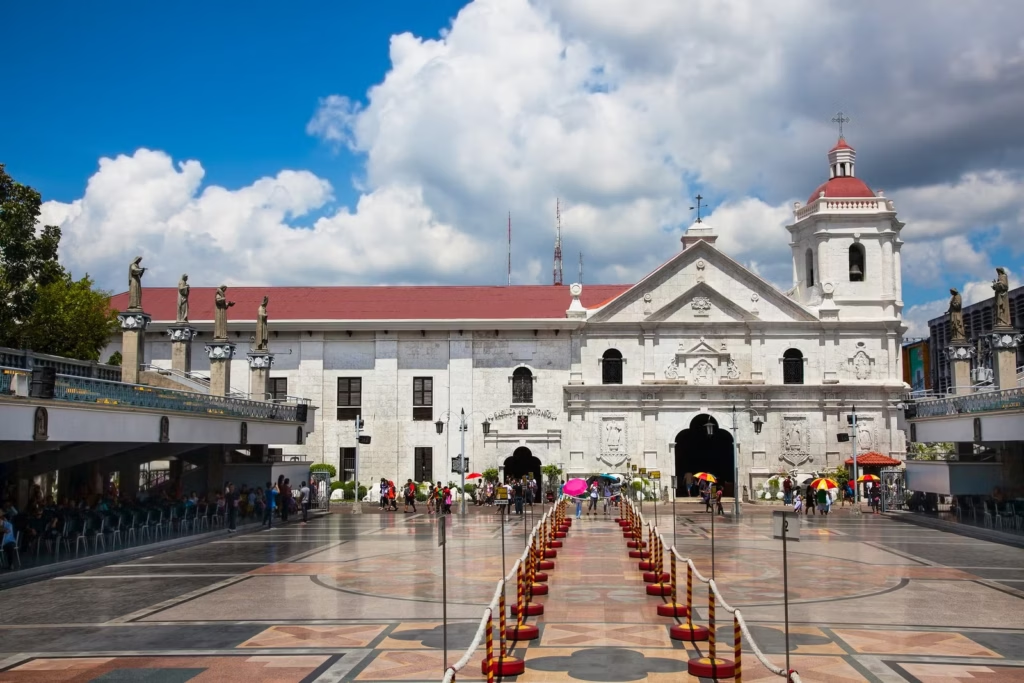
Basilica del Sto. Niño Church
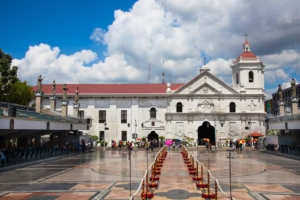
The Basilica del Santo Niño in Cebu City is the oldest Roman Catholic church in the Philippines, founded in 1565 by Spanish explorers. It houses the revered image of the Santo Niño, believed to be the same statue given by Magellan to Queen Juana in 1521. A major pilgrimage site, the basilica is central to the Sinulog Festival, celebrating Cebu’s deep-rooted Christian faith.
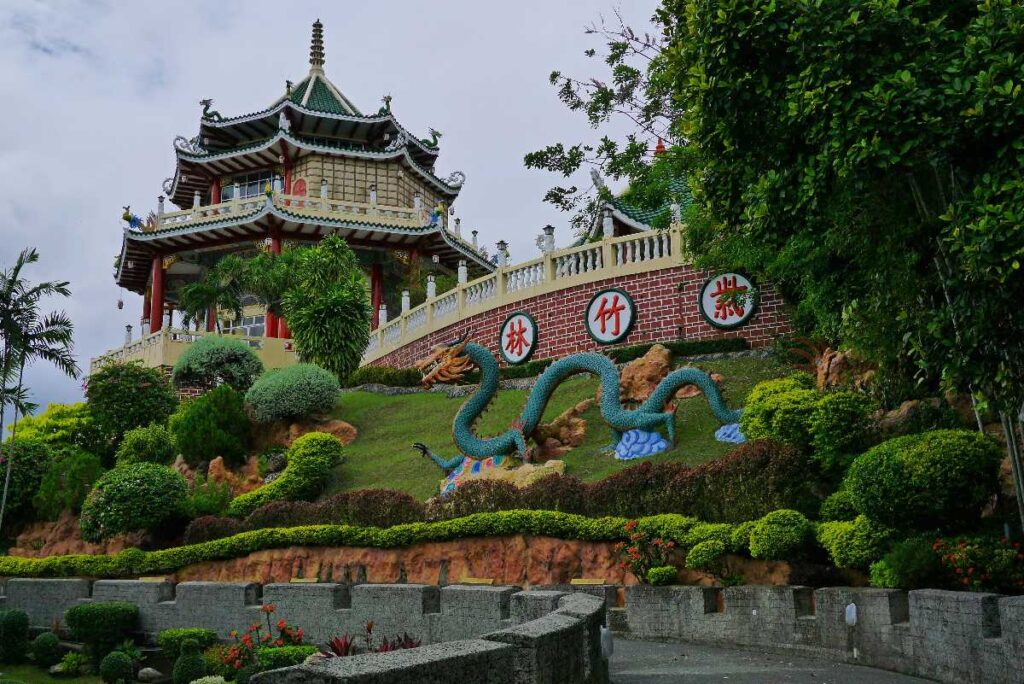
Taoist Temple
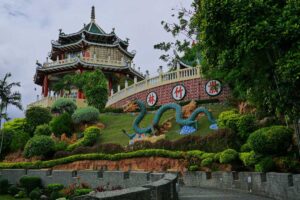
The Cebu Taoist Temple, established in 1972 by Cebu’s Chinese community, is a vibrant religious and cultural landmark situated in the Beverly Hills Subdivision of Cebu City. Perched approximately 300 meters above sea level, the temple showcases traditional Chinese architecture, featuring dragon statues, a pagoda-style roof, and an entrance resembling the Great Wall of China. Visitors can ascend 81 steps symbolizing the chapters of Taoist scripture, participate in rituals like lighting joss sticks and fortune-telling, and enjoy panoramic views of Cebu City and its surroundings.
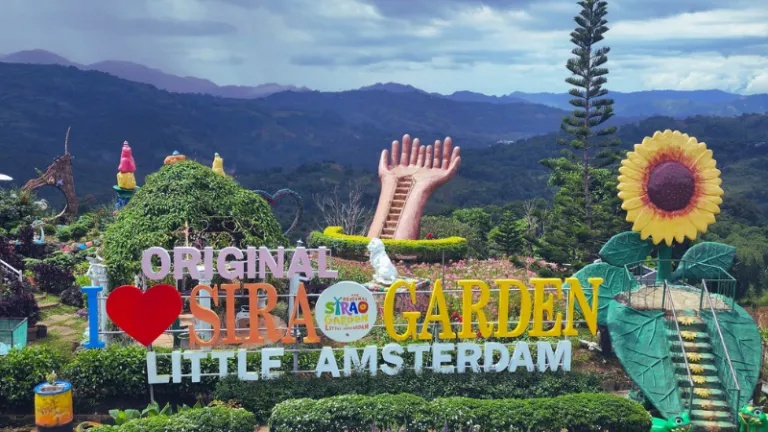
Sirao Garden
Sirao Garden, often dubbed the “Little Amsterdam” of Cebu, is a vibrant flower farm nestled in the highlands of Barangay Sirao, just a short drive from Cebu City. Renowned for its vivid celosia blooms, the garden also features sunflowers, hyacinths, and whimsical installations like windmills and giant hand sculptures, making it a favorite spot for photography enthusiasts. Open daily from 6:00 AM to 6:30 PM, the garden is especially picturesque during the summer months of March to May, offering visitors a colorful and serene escape amidst the mountains.
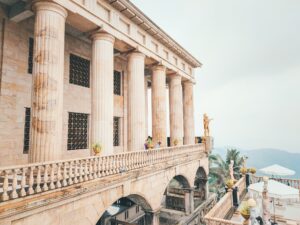
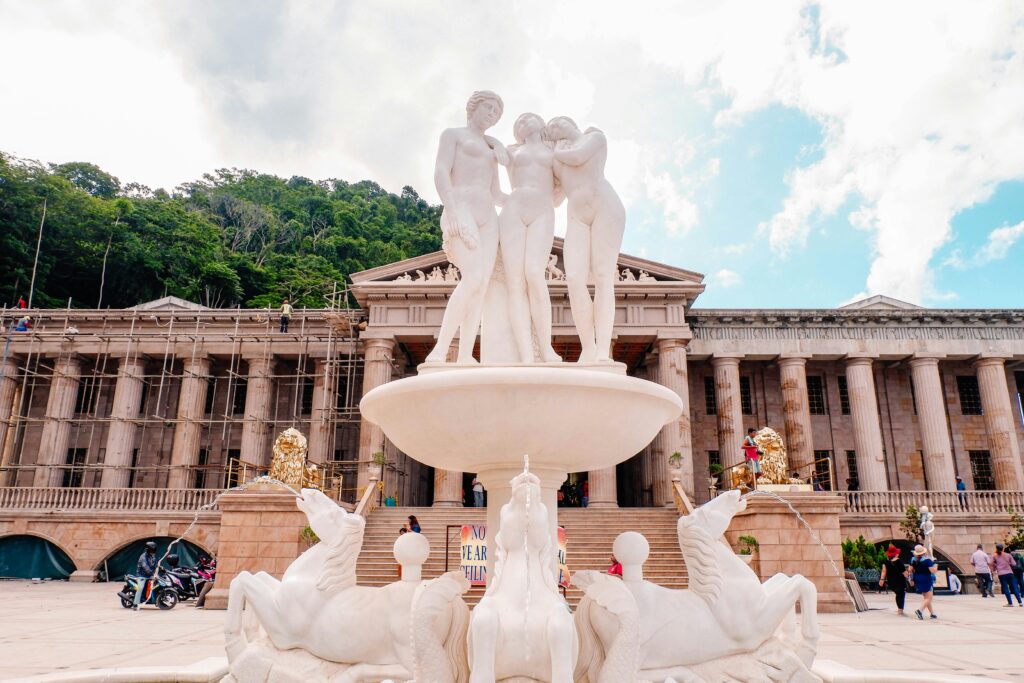
Temple of Leah
The Temple of Leah, located in the hills of Busay, Cebu City, is a grand Roman-inspired structure built in 2012 by Teodorico Adarna as a tribute to his late wife, Leah Villa Albino-Adarna. Often referred to as the “Taj Mahal of the Philippines,” the temple features Doric columns, marble floors, and a 9-foot bronze statue of Leah, symbolizing undying love and devotion. Visitors can explore its art-filled chambers, manicured gardens, and enjoy panoramic views of Cebu City from its elevated terrace.
Booking Form
Popular Tours
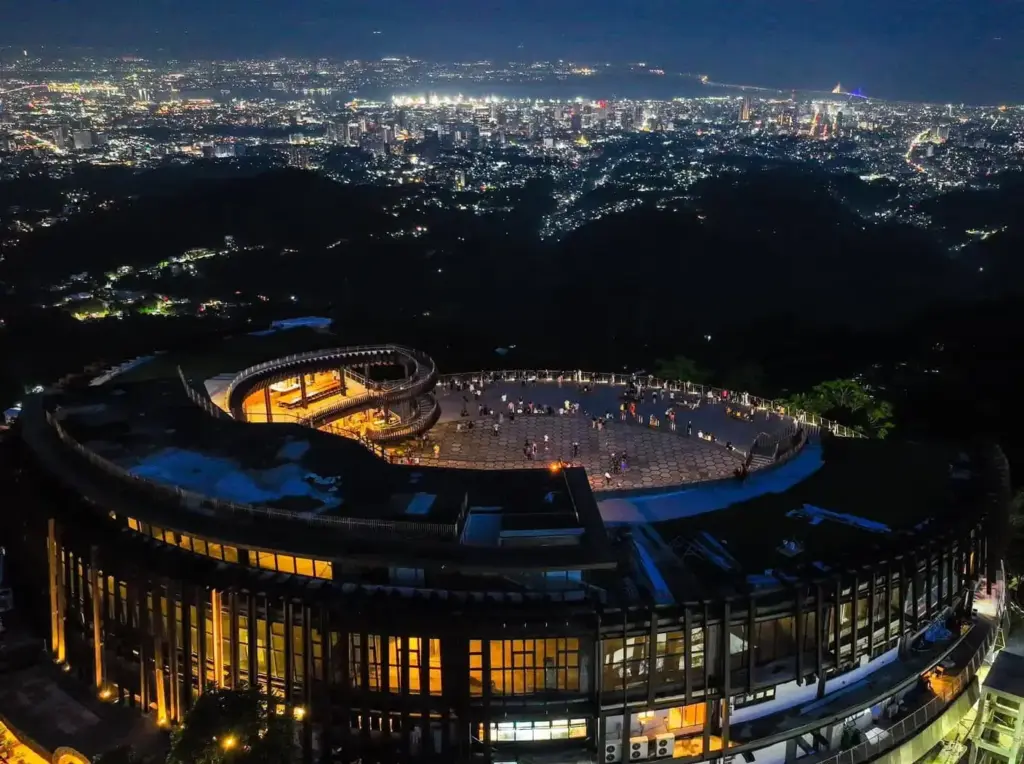
Cebu Mountain Tour – Explore the Highlands of Cebu in One Day
Cebu Mountain Tour – Explore the Highlands of Cebu in One Day AvailabilityDaily Cancellation48 Hours Duration1 Day LanguageEnglish, Tagalog Escape to the cooler side of…
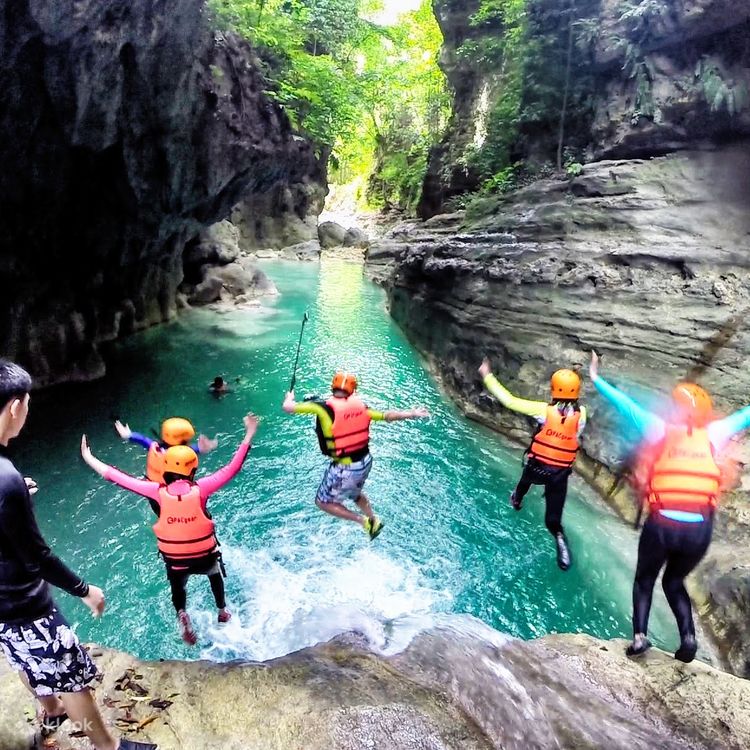
Kawasan Canyoneering
Kawasan Canyoneering AvailabilityDaily Cancellation48 Hours Duration10 Hours LanguageEnglish, Tagalog Looking for adrenaline-pumping fun in Cebu? Kawasan Canyoneering is one of the most exciting outdoor activities…
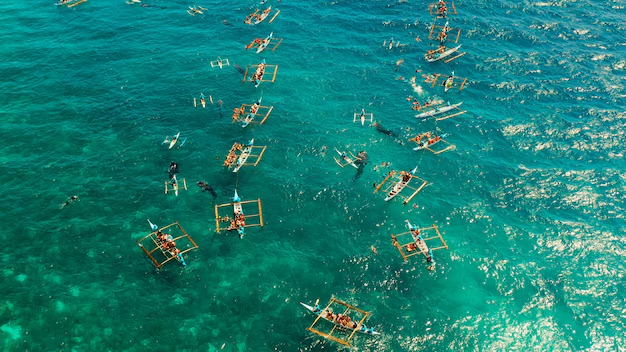
Oslob Whale Shark Watching + Sumilon
Oslob Whale Shark Watching + Sumilon AvailabilityDaily Cancellation48 Hours Duration10 Hours LanguageEnglish, Tagalog Experience one of the most unforgettable adventures in South Cebu with our…
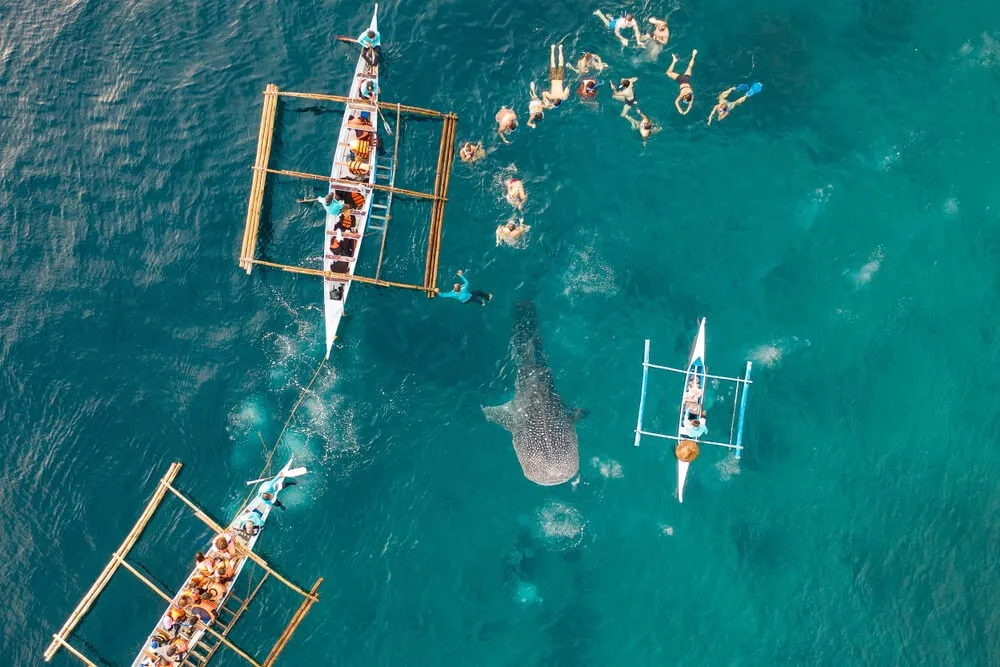
Oslob Whale Watching + Tumalog Falls
Oslob Whale Watching + Tumalog Falls AvailabilityDaily Cancellation48 Hours Duration10 Hours LanguageEnglish, Tagalog Experience the thrill of a lifetime with our Oslob Whale Shark Watching…